Answer:
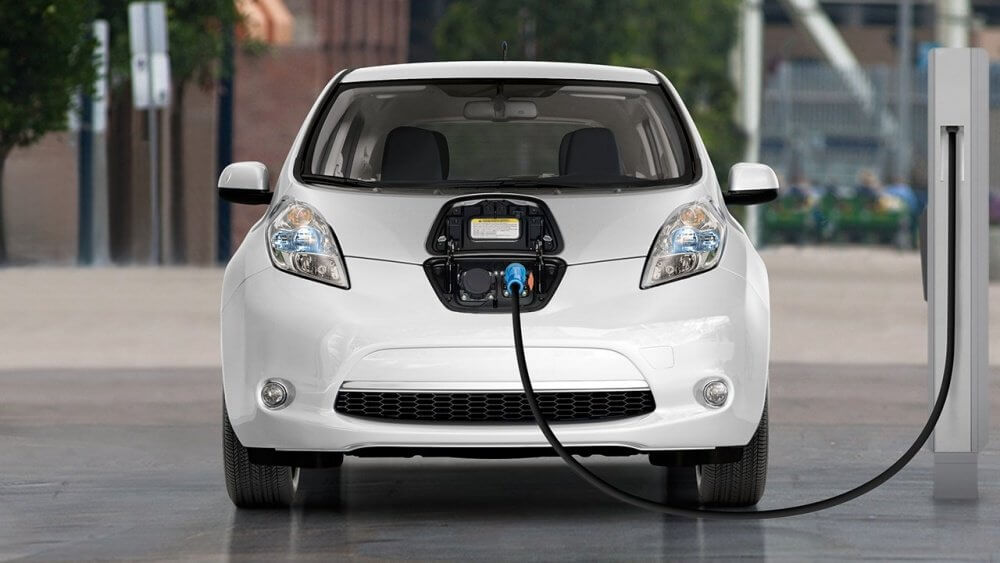
Electric vehicles used in tourist areas and amusement parks, when imported and registered with the customs authority as vehicles for use within amusement, entertainment, and sports areas, and not registered for road use or participating in traffic, are not subject to special consumption tax.
Explanation for the above answer:
Based on the Law on Special Consumption Tax No. 27/2008/QH12 dated November 14, 2008;
Based on Decree No. 113/2011/NĐ- Government Decree No. 26/2009/ND-CP dated December 08, 2011, amending and supplementing a number of articles of Decree No. 12/2009/ND-CP dated March 16, 3, detailing the implementation of a number of articles of the Law on Special Consumption Tax;
Based on Clause 5 Article 3 of Circular No. 05/2012/TT-BTC According to the Ministry of Finance's statement dated January 5, 2012:
"Regarding motor vehicles as stipulated in Clause 4, Article 3 of the Law on Special Consumption Tax, these include vehicles designed by manufacturers for use as ambulances, prisoner transport vehicles, funeral vehicles; radio frequency inspection and control vehicles; armored vehicles with launching ladders; mobile television vehicles; vehicles designed with both seating and standing areas capable of carrying 24 or more people; and motor vehicles operating within amusement parks, entertainment venues, and sports facilities that are not registered for circulation and do not participate in traffic, the Ministry of Finance will coordinate with relevant ministries and agencies to provide specific guidance."
In the case of motor vehicles designed solely for use in amusement parks, entertainment venues, and sports facilities, which are not registered for road use and do not participate in traffic, they are not subject to special consumption tax. If the importing entity has completed import procedures as guided in Clause 5 of this Article with the Customs authority, and changes the intended use compared to the import date, and the vehicle is no longer used in amusement parks, entertainment venues, or sports facilities and is subject to special consumption tax, the importing entity must declare and pay the special consumption tax to the Customs authority in accordance with the Ministry of Finance's guidance on customs procedures; customs inspection and supervision; export and import taxes; and tax management for exported and imported goods. If the importing entity fails to declare the change in intended use to the Customs authority where the import procedures were carried out to pay the special consumption tax, the importing entity will be penalized according to the provisions of the Law on Tax Administration and its implementing regulations.
Based on Official Letter No. 2118/TCHQ-TXNK.