
When it comes to the final settlement stage, many businesses only begin to review their records. This is why many small and medium-sized enterprises (SMEs) find themselves under high pressure, with disorganized data and a lot of time spent retrieving old documents. If preparation is delayed, small errors accumulated from before can easily come to light all at once.
If you are wondering "What should be noted when settling corporate taxes?"This article will help you identify areas for early review and how to prepare more effectively.
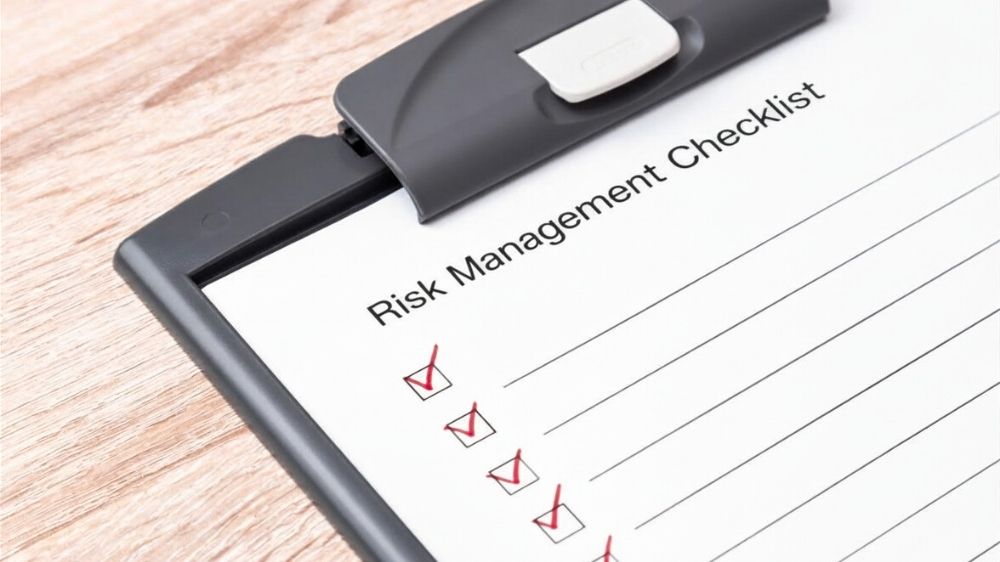
What should businesses keep in mind when settling their taxes?
There are five important groups of tasks:
- Compare the data and records that have been declared;
- Review invoices, supporting documents, and the reasonableness of expenses;
- Check accounts payable, advances, and other items prone to errors;
- Review employment records, salaries, and related expenses;
- Prepare people who can explain the logic behind the data when needed.
1. Compare the accounting data with the declared records.
This is a fundamental step. If internal data, submitted records, and tracking sheets don't match, the business will face difficulties right from the start during the review process.
What's needed isn't just "data," but that the data must tell a shared story.
2. Review invoices, supporting documents, and the reasonableness of expenses.
Many businesses only realize the problem when they start gathering documents for final settlement. At that point, expenses incurred months earlier may no longer be easy to supplement or clearly explain.
💡 Things to check early:
- Are the files complete for each business group?
- Do the documents make sense in relation to the business operations?
- Are there any expenses that lack proper documentation or are not properly recorded?
3. Review accounts payable, advances, and other easily overlooked items.
Long-standing debts, unprocessed advances, unclear reimbursements, or poorly reconciled internal accounts are areas where problems are most likely to arise during audits.
⚠️ Business owners should pay particular attention if their business has:
- Multiple channels for collecting and disbursing money;
- The customer paid late;
- Long-standing internal advances.
4. Review employment records, salaries, and related expenses.
In many SMEs, labor and payroll matters are handled separately from accounting. This makes information prone to inaccuracies or inconsistencies. When settling accounts, these records should be reviewed in parallel, not separately.
5. Prepare people who can explain the data.
A complete set of documents is essential, but that's not enough. Businesses also need people who understand the logic behind the numbers, because when questions arise, clear explanations save a lot of time.
Ways to better prepare for the tax season.
1. Don't wait until the end of the term to gather your documents;
2. Conduct periodic reviews on a monthly or quarterly basis;
3. There is a checklist to review before the audit period;
4. To help business owners identify key risk areas.
✅ Self-checklist before final settlement
- Have the internal figures been reconciled?
- Are any of the essential documents missing?
- Are there any expenses that are difficult to explain?
- Are there any unusually high outstanding debts or advances?
- Do business owners know which areas are at the highest risk?
Q&A
❓ Do small businesses need to prepare thoroughly for tax settlement?
Yes. Small scale doesn't mean low risk. In fact, SMEs are even more prone to making mistakes if they lack personnel and systems.
❓ Should we wait until close to the tax settlement period to review the documents?
That's not advisable. Doing so often turns control into firefighting.
❓ Do business owners need to be involved in this process?
Yes, at least to the extent of identifying key risk points and understanding where the business is weak.
The results that EXPERTIS has achieved for its clients.
With over 22 years of experience working alongside businesses, Expertis understands the pressures and anxieties faced by all managers. To help businesses enter the tax season proactively and confidently, Expertis offers practical solutions:
-
Regular reviews will put an end to the "firefighting" approach at the end of the year. Instead of waiting until the last minute to start reviewing the books, Expertis continuously reviews data and documents on a monthly and quarterly basis to immediately address any anomalies, preventing small errors from accumulating into major risks.
-
Synchronize data and maintain consistent and rigorous accounting records and documents: Put an end to discrepancies between internal data and reported figures. Expertis reviews and links data from invoices and accounts receivable to payroll, etc., ensuring a consistent, balanced financial picture that accurately reflects business reality.
-
The representative presented an explanation with a management-oriented mindset: A complete set of documents is not enough; businesses need someone who understands the logic behind the numbers. Expertis' team of experts prepares clear and concise explanations, saving time and maximizing the protection of the business's legitimate interests.
-
Proactively identify risks and eliminate last-minute problems: Instead of manually reviewing accounting records and documents, Expertis identifies key risks and pinpoints gaps in the documentation. This allows management to quickly grasp the situation and develop solutions before the official accounting period begins.
If you're wondering... "What should be noted when settling corporate taxes?"The answer lies not only in the final documentation, but also in how the business prepares beforehand. Early preparation reduces pressure, minimizes errors, and allows businesses to be more proactive in addressing potential risks.