In today's rapidly developing economic integration, increasing competition and risks significantly impact managers' ability to achieve their goals. Therefore, building and implementing effective internal control systems is a crucial task.

1. What is internal control?
Internal control is a process carried out by the board of directors, management, managers, and other employees, established to provide reasonable assurance of achieving business objectives such as: business efficiency and effectiveness; the integrity and reliability of financial statements; and compliance with applicable laws and regulations.
Internal control is a process, not just a procedure or policy implemented at specific times, but one that operates continuously at all levels within the enterprise. It is designed and operated by people—people who set goals, establish control mechanisms everywhere, and operate the control system.
Internal control provides reasonable assurance that it can prevent and detect wrongdoing, but it cannot guarantee that it will never occur, as there is always the possibility of weaknesses arising from human error in operating the control system, leading to the failure to achieve objectives. Furthermore, a fundamental principle in management decision-making is that the cost of the control process cannot exceed the benefits it provides. Therefore, internal control can only reasonably ensure that objectives will be achieved, not absolutely.
Regarding financial reporting, internal controls must ensure accuracy and reliability (unit managers are responsible for preparing financial reports in accordance with current accounting standards and regulations) and all other relevant legal provisions. Financial information provided to external parties must be reliable and serve as a basis for decision-making and assessment of the business performance.
Regarding compliance, internal control must first and foremost ensure reasonable adherence to laws and regulations. Internal control must also direct all members of the organization towards compliance with the organization's internal policies and regulations to ensure the achievement of the organization's objectives.
For the purpose of ensuring the effectiveness and efficiency of operations, internal control helps the organization protect and utilize resources effectively, secure information, enhance reputation, expand market share, and implement the organization's business strategies.
In short, internal control systems (ICS) encompass all measures taken by managers to ensure that the unit's objectives are achieved.
2. Internal control over financial statements

Many businesses still believe that financial statement audits are only for tax purposes as required by current regulations, without the need for rigorous inspection and supervision. The management board doesn't pay much attention to ensuring financial statements comply with current accounting standards and business regulations, focusing only on tax filing. This perspective is inconsistent with reality and the development goals of the business.
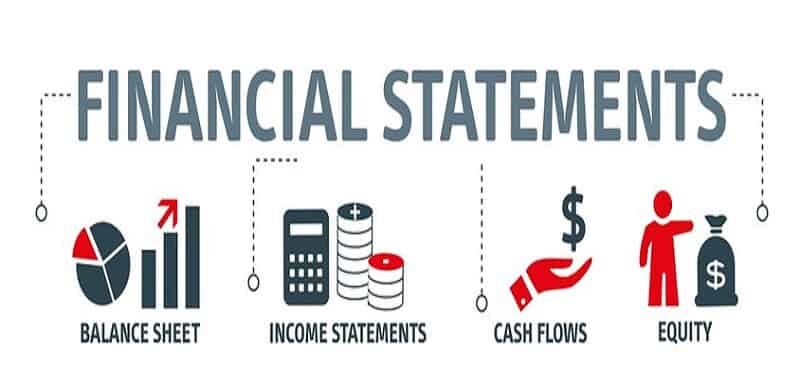
Financial statements are documents that assess a company's financial situation and provide essential information to investors, creditors, and regulatory bodies interested in the company's finances. Therefore, accurate financial statements are of paramount importance. However, except for listed companies and large-scale companies that are required to establish a Supervisory Board, what should other businesses do to achieve this goal?
- Develop and implement a mechanism for reviewing the enterprise's specific internal control system: These are methods and policies designed to prevent fraud, minimize errors, encourage operational efficiency, and achieve compliance with established policies and procedures for the business itself at various levels;
- Conduct a review of financial information: Before providing information to external parties, this involves assisting the company's Board of Directors in preparing and presenting financial information in compliance with the applicable financial reporting framework;
- Review financial information periodically: There are methods for managing and monitoring accounting records periodically (monthly/quarterly), ensuring that financial information is recorded fully, promptly, and in compliance with legal regulations and company rules;
- Stay up-to-date on changes in the law: This allows for adjustments to management processes and financial information presentation, as well as avoiding risks arising from not keeping up with changes in legal regulations.
In cases where businesses lack experience in internal control and review, they can utilize internal audit and compliance audit services to identify and assess risks, mitigate potential problems, and provide appropriate advice tailored to the size and development of the business.
3. The immense benefits of using internal audit services - a shield for businesses.
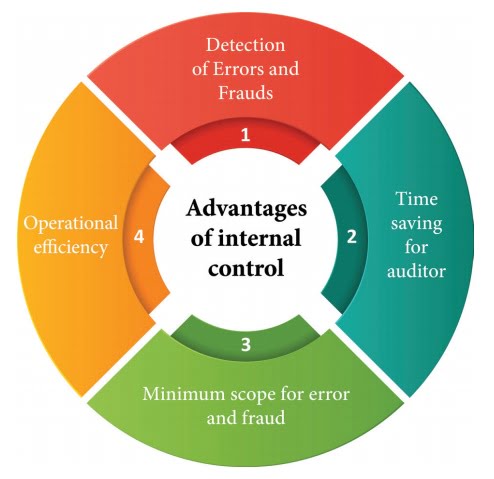
- Ensuring the accuracy of the company's accounting figures and financial reports;
Reduce the risk of errors and fraud affecting financial information; - Control the risks of non-compliance with business policies and procedures, such as tax risks and administrative violations.
- Timely detection of risks arising from inadequate management.
Professional accountants and auditors are not influenced by the "familiarity" factor, providing independent and objective results regarding documents, reports, or financial information containing material errors or omissions. - This service is beneficial in assisting the Board of Directors in making important judgments or handling technical issues related to financial information;
- Provide advice on issues that the company's internal control system has not yet resolved and guide the future direction of the system.
- Reduce the pressure and costs associated with immediately building an internal control team to meet management requirements;
- It reduces the workload for the accounting department by eliminating the need for external review and monitoring.
4. Conclusion
Internal control is essential for achieving a business's objectives. It's not just established or large businesses that need internal control; even small, newly established businesses must understand its importance.
A good internal control system, along with the effective use of internal audit services, helps business managers maintain stability and confidence in data, as well as secure the company's position in its operating sector when seeking collaboration opportunities with third parties.