
Decree 123/2020/ND-CP, issued by the Government on October 19, 2020, regulates the management and use of invoices when selling goods and providing services. Accordingly, businesses, retail stores, etc., must use electronic invoices, which are generated from cash registers connected to the tax authorities.
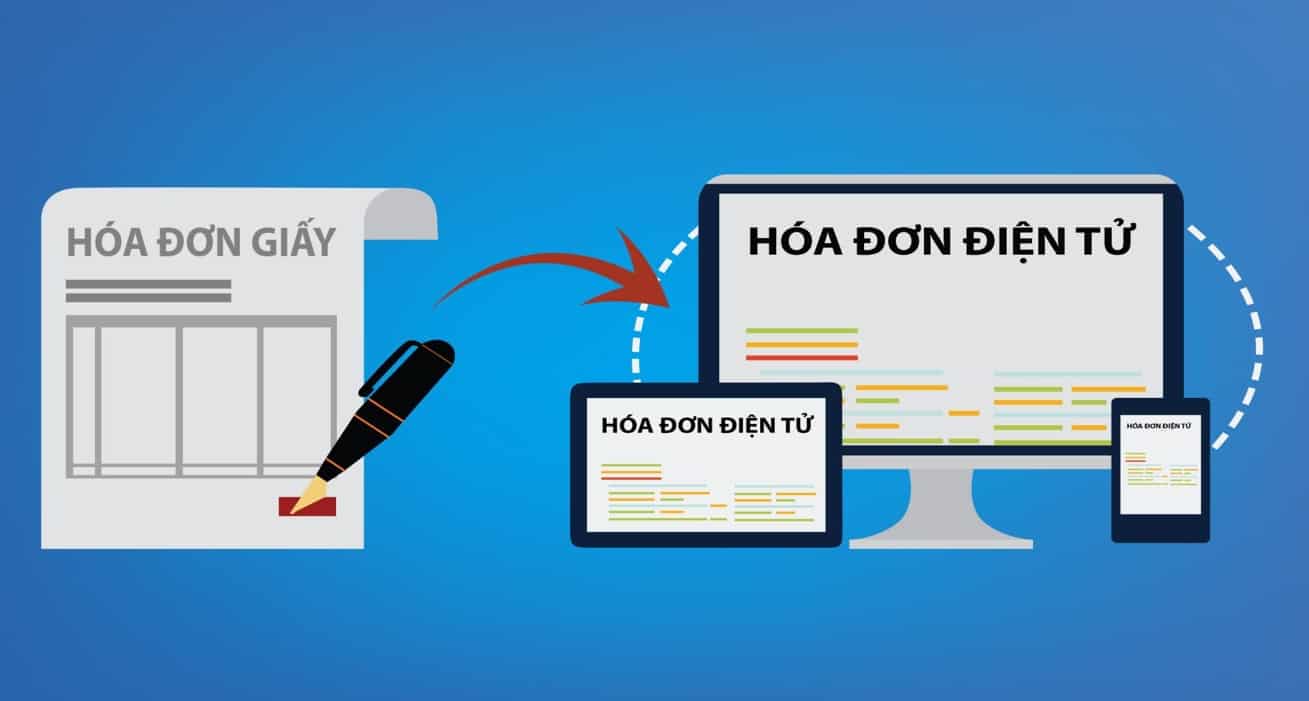
1. What is an electronic invoice?
An electronic invoice is a collection of electronic data messages about the sale of goods and provision of services, which are created, prepared, sent, received, stored, and managed using electronic means. Instead of invoices created on paper, electronic invoices are created and stored on electronic devices.
Electronic invoices are created, prepared, and processed on the computer system of an organization that has been issued a tax identification number when selling goods or services, and are stored on the computers of the parties involved in accordance with the law on electronic transactions.
Electronic documents include personal income tax withholding certificates, tax receipts, and fee and charge receipts, presented in electronic form as electronic data, issued to taxpayers by organizations or individuals responsible for withholding tax, or issued to taxpayers by organizations collecting taxes, fees, and charges electronically in accordance with the laws on fees, charges, and taxes.
2. When is it mandatory for businesses to use electronic invoices?
According to Article 59 Decree 123 Regarding electronic invoices, the regulations stipulate that agencies, organizations, and individuals meeting the information technology infrastructure requirements must apply electronic invoices and documents as guided in Circular 78/2021/TT-BTC before July 1, 2022.
The Ministry of Finance has divided the roadmap for the mandatory implementation of electronic invoices into two phases:
- Phase 1: from November 1, 2021 to March 31, 2022: implementation of electronic invoices in 6 provinces and cities: Hanoi, Ho Chi Minh City, Hai Phong, Phu Tho, Quang Ninh, and Binh Dinh.
- Phase 2: from April 1, 2022 to July 2022: applicable nationwide.
Furthermore, Article 60 of Decree 123 stipulates that businesses and economic organizations are allowed to use paper invoices until June 30, 2022, for invoices issued before October 19, 2020. Businesses need to convert their uncoded electronic invoices to electronic invoices with tax authority codes.
Businesses currently using electronic invoicing software should continue to use it as they do and issue invoices normally until the tax authorities announce the registration of new electronic invoice usage information according to Decree 123 of 2020 on electronic invoices and Circular 78. After that, businesses need to send registration information to the tax authorities through the organization providing electronic invoice and electronic document solutions.

3. Subjects to whom electronic invoices apply
The entities to which electronic invoices apply are regulated by Article 91 of the Tax Administration Law No. 38/2019/QH14. These entities must comply with regulations regarding the issuance and declaration of tax obligations when the tax authority issues electronic invoices with codes.
Besides businesses determining which type of electronic invoice they are eligible for, the tax authorities will categorize businesses and taxpayers, and approve registration for using electronic invoices with or without codes, or electronic invoices with codes on a case-by-case basis.
Businesses can look up their electronic purchase/sales invoices on the General Department of Taxation's Electronic Invoice Portal.
3.1. Electronic invoices have a tax authority code for each transaction.
An electronic invoice with a tax authority code, issued on a transaction-by-transaction basis, is considered a sales invoice when:
- Households and individual businesses that do not meet the requirements to use electronic invoices with codes but need to provide invoices to customers.
- Non-business organizations that engage in the sale of goods or provision of services.
- After a business is dissolved or goes bankrupt, it needs to issue invoices for the liquidation of assets to buyers.
3.2. Electronic invoices with tax authority codes.
- Businesses and economic organizations trading goods or providing services, regardless of the value of goods or the number of transactions, must use electronic invoices with tax authority codes, except for the cases mentioned above where electronic invoices without codes or with codes for each transaction are used.
- Household businesses or individuals with micro-enterprise scale implement accounting and tax payment methods based on declaration, and in cases where revenue can be determined from the sale of goods or services.
- Furthermore, Decree 123 of 2020 on electronic invoices also stipulates that businesses classified as high-risk for tax purposes must also use electronic invoices with tax authority codes.
3.3. Electronic invoices without a tax authority code.
- Businesses operating in the fields of electricity, petroleum, postal services, water supply, financial institutions, insurance, healthcare, e-commerce, supermarkets, transportation, and logistics.
4. How to register and change registration details for using electronic invoices.
Based on Article 15 of Decree 123/2020/ND-CP of 2020 on electronic invoices: businesses, economic organizations, other organizations, households, and individuals engaged in business activities that are not subject to the cessation of electronic invoice use under Clause 1, Article 16 of Decree 123 on electronic invoices must register to use electronic invoices through electronic invoice service providers.
Additionally, businesses can register to use electronic invoices through the General Department of Taxation's electronic portal or through a service provider authorized by the General Department of Taxation, provided that using electronic invoices from the tax authority is free of charge.
Within one working day of receiving the electronic invoice registration from the business, the tax authority is responsible for sending a notification to the business regarding the acceptance or rejection of the electronic invoice registration.
From the moment the tax authorities accept registration for the use of electronic invoices under Decree 123, businesses must cease using electronic invoices that were previously announced under the old regulations and destroy paper invoices that were announced but not yet used. The procedure for destroying paper invoices and unused invoices follows Article 27 of Decree 123 on electronic invoices.
5. Invoices generated from cash registers that have a data transfer connection with the tax authorities.
From July 1st, 2022, all retail businesses, supermarkets, grocery stores, pharmacies, e-commerce businesses, restaurants, hotels, etc., must undergo digital transformation and implement electronic invoicing from connected cash registers that transmit data to the tax authorities, and must ensure the following:
- Recognizing receipts printed from cash registers that are electronically connected to the tax authorities.
- Businesses and shops are not required to have digital signatures.
- Expenses for purchasing goods and services using invoices generated from a cash register are considered expenses with sufficient legal invoices and supporting documents when determining tax liability.
Therefore, businesses and stores operating traditionally need to undergo digital transformation by applying modern technologies to sales management and registering for the use of electronic invoices on their point-of-sale systems.
6. Solutions for businesses and individual entrepreneurs

- Implement the necessary infrastructure to ensure the transition to electronic invoices and electronic documents in accordance with regulations.
- Find a service provider for receiving, transmitting, and storing electronic invoice data that meets your requirements.
- Send a notification to the Tax authorities regarding the use of electronic invoices.
- We are looking for solutions to generate invoices from cash registers that are connected to the tax authorities.
- Manage usernames and passwords for billing accounts issued by the tax authorities.
- Create electronic invoices for the sale of goods and provision of services and send them to buyers, tax authorities, and electronic invoice service providers, while being responsible for the legality and accuracy of the invoices.
- Transfer electronic invoice data without codes to the tax authorities via the General Department of Taxation's electronic portal.
6. The Role of Experts
For more detailed information on the application of electronic invoices, you can refer to the article. The new electronic invoice system will be implemented in Ho Chi Minh City starting in November 2021..
If you need more information about the implementation roadmap and other related content regarding electronic invoices and electronic documents, please contact our Consulting Department for advice and answers. Additionally, if your business needs advice on electronic invoice solution providers, EXPERTIS can also provide assessments to help you make an informed choice.
In addition, EXPERTIS provides consulting services on several risks that may arise during the implementation of electronic invoices. This helps businesses avoid unnecessary problems and save time on unnecessary tasks.